
Odometer vs Speedometer vs Trip Meter
Learn what ODO, speedometer and Trip A/B readings mean, how speed differs from distance, and where a phone GPS trip recorder fits.
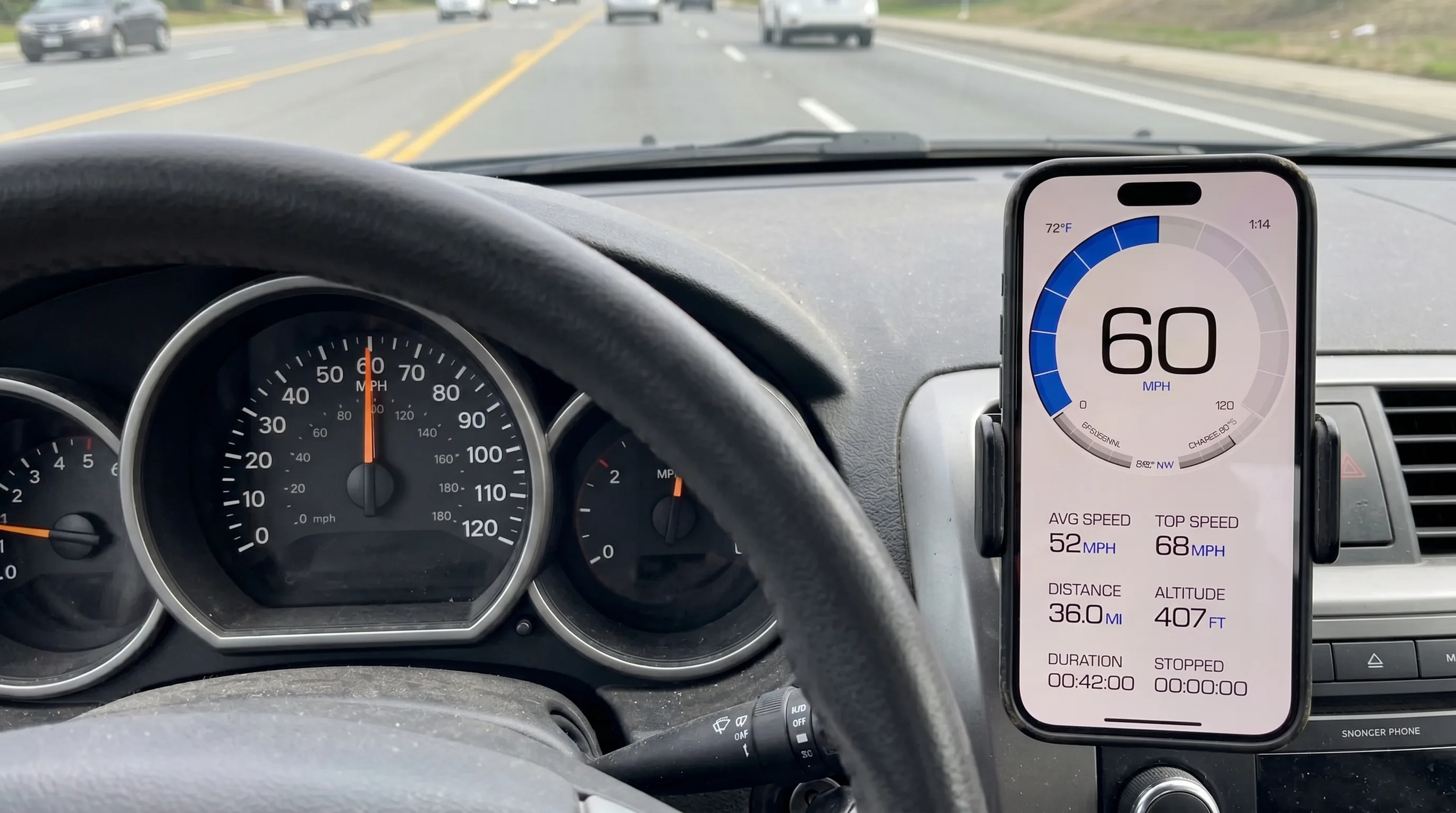
Table of Contents
A speedometer shows how fast you are moving now. An odometer shows the vehicle’s accumulated distance. A trip meter, sometimes called a trip odometer, counts distance since its last reset. They can sit in the same display while answering three different questions.
The difference at a glance
| Reading | Question it answers | Typical units | What happens when you stop? |
|---|---|---|---|
| Speedometer | How fast am I moving now? | mph or km/h | The indicated speed returns to zero |
| Odometer / ODO | What total distance has the vehicle recorded? | miles or km | The accumulated distance remains |
| Trip meter / Trip A or B | How far have I travelled since this counter was reset? | miles or km | The trip distance remains until reset |
Look at the units as well as the number. The “per hour” in mph or km/h identifies a speed. A reading in miles or kilometres is a distance, but its label tells you whether it is the vehicle total, a trip, or another value such as estimated remaining range.
Ford’s trip-computer guide lists the digital speedometer, trip odometer, total odometer and distance-to-empty as separate readings. Screen layouts and labels vary by vehicle.
One journey, three readings
Imagine a car starts with 48,250 km on its odometer and a trip meter at zero. After a 25 km journey, you park it. In this simplified example, the display reads:
Speedometer
0 km/h
Stopped now
Odometer · ODO
48,275 km
Vehicle total
Trip meter · A
25.0 km
This trip
The speed is zero because you have stopped; neither distance becomes zero when the car stops. A normal trip-counter reset starts that counter again without clearing the vehicle’s total odometer reading.
The distance travelled is the change in the odometer: 48,275 − 48,250 = 25 km. It is not the final total of 48,275 km. If the journey took exactly half an hour, its average speed would be 50 km/h—even though the speedometer now reads zero. Current speed and trip average are different measurements too.
What do ODO, Trip A and Trip B mean?
ODO identifies the odometer. Trip A and Trip B are separate distance counters on vehicles that provide them. You might use one for the day’s journey and the other for distance since refuelling; neither label inherently means “outward journey” or “return journey.”
Mazda’s instrument guide provides an example of independently used A/B trip readings. Your own vehicle manual is the right reference for its display controls and reset behaviour.
A tachometer is another instrument: it shows engine rotation in rpm, not road speed or distance. Similarly, “distance to empty” is a range estimate, not mileage already travelled.
Can a phone act as a speedometer or trip meter?
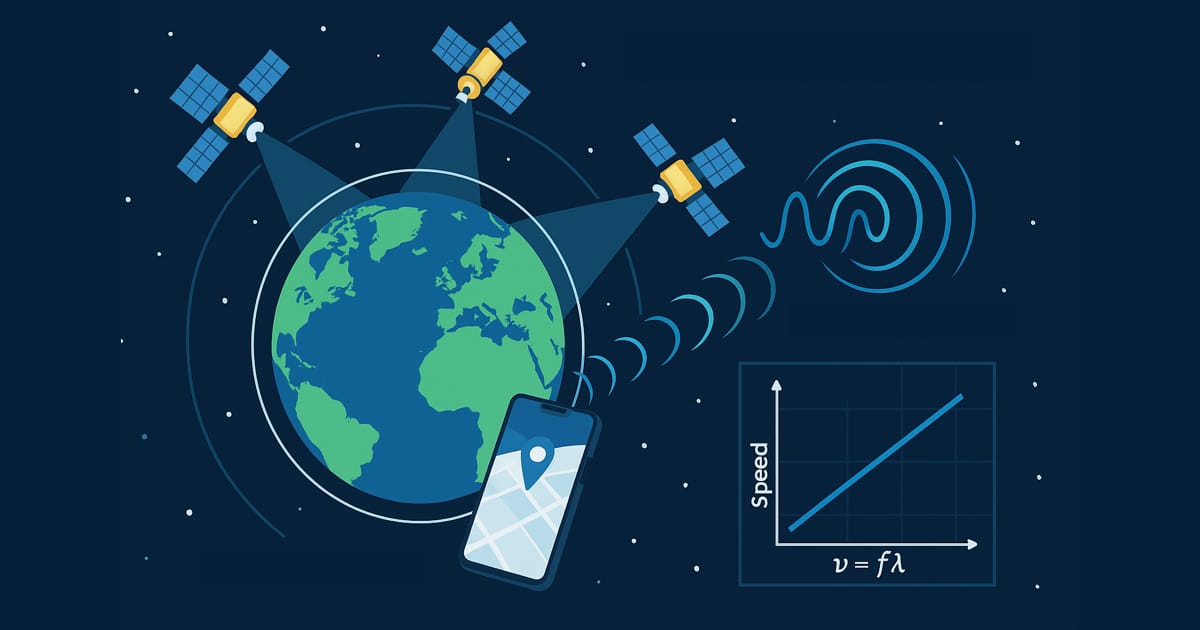
A phone with a usable location signal can estimate current speed and record distance during a tracked journey. That gives it a speedometer or trip-recording role. It cannot discover a vehicle’s lifetime mileage simply by recording GPS positions.
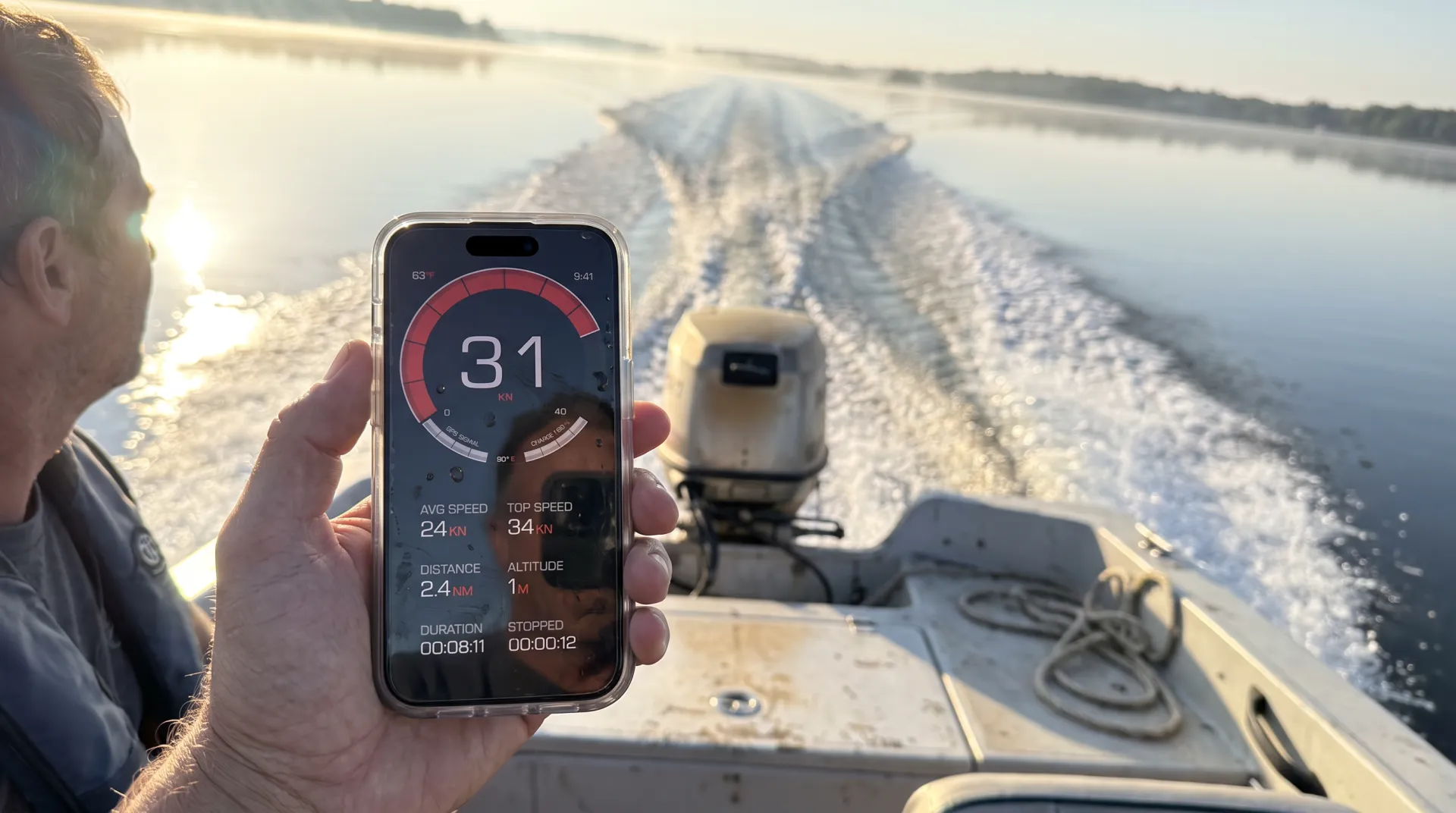
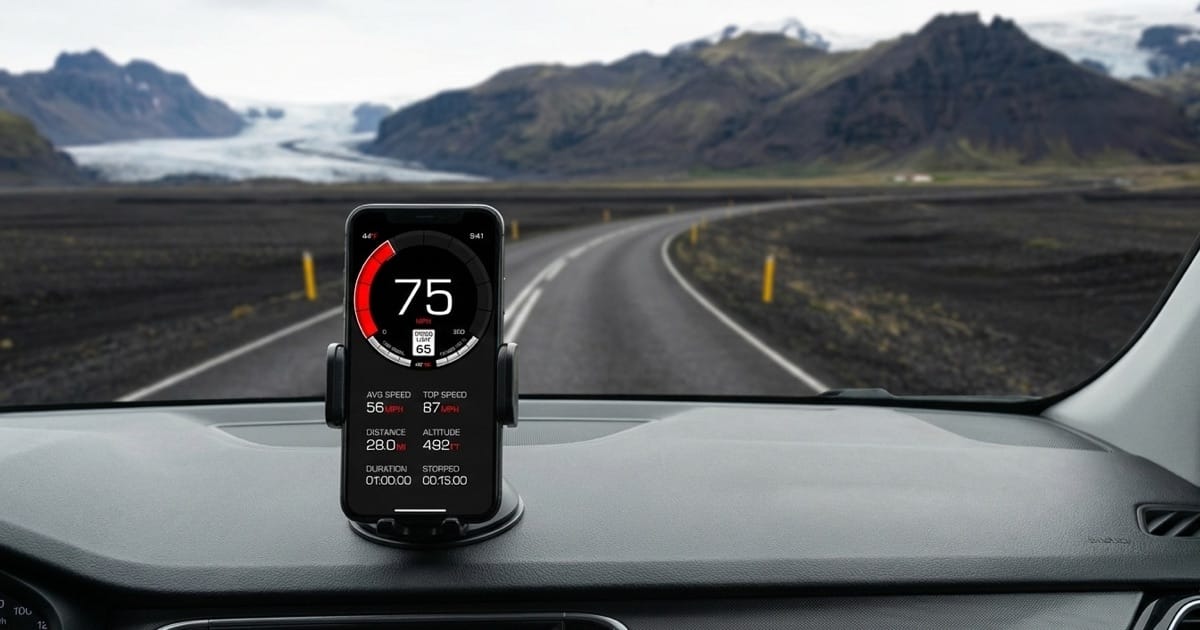
We make GPS Speedometer MPH Tracker. Its free core features include speed, basic trip distance, maximum and average speed, and saving and viewing trips. Detailed trip analysis and sharing require PRO. Our GPS trip tracker page explains that workflow.
For a quick current-speed check, the online speedometer runs in a visible browser tab. Use the iPhone app when you want to save a trip; use the browser for a current-speed check. These GPS readings do not provide the vehicle’s lifetime mileage.
Does a speedometer error also affect the odometer?
You cannot work that out from the speed display alone. Speed and accumulated distance may share vehicle inputs, but their displayed values, rounding and calibration need not behave identically. A difference between GPS speed and dashboard speed does not establish the same percentage error in distance.
The GPS-versus-dashboard guide explains speed comparisons. The tire-size article explains how a change in tires can affect distance readings under stated assumptions. A GPS trip is also an estimate: reception, missed recording periods and the way a route is sampled can affect its distance. No instrument is proved correct just because another displays a different number.
Frequently asked questions
Does an odometer show speed?
No. An odometer records accumulated distance, usually in miles or kilometres. The speedometer shows current speed, usually in mph or km/h. Both readings may appear in the same dashboard display.
Does resetting Trip A reset the odometer?
A normal trip-counter reset clears that trip counter, not the vehicle’s total odometer reading. Follow the vehicle manual for the specific controls and any other trip statistics that reset together.
Is my phone’s trip distance the car’s mileage?
It is the distance recorded during that phone-tracked trip. It is not the car’s lifetime odometer reading, and unrecorded journeys will not appear in the phone’s history.
Does a speedometer reading high mean the odometer does too?
Not necessarily. A speed-display difference does not by itself establish a distance error or its size. Compare the relevant measurement and its conditions; do not transfer a speed percentage directly to accumulated mileage.
Sources
- Ford: Trip Computer: separate speed, trip distance, total distance and remaining-range displays; checked 11 September 2026.
- Mazda: Meters and Gauges: the 2018 Mazda3’s odometer, Trip A/B and tachometer terminology; checked 11 September 2026. Its controls are an example, not universal instructions.