

MPH to KPH Converter
Type a speed in either box for an instant, two-way conversion between miles per hour (mph) and kilometres per hour (km/h). Below the calculator you'll find a full mph-to-kph chart for the common values.
Exact definition: 1 mph = 1.609344 km/h; 1 km/h ≈ 0.621371 mph. Editing either field updates the other, rounded to two decimal places.
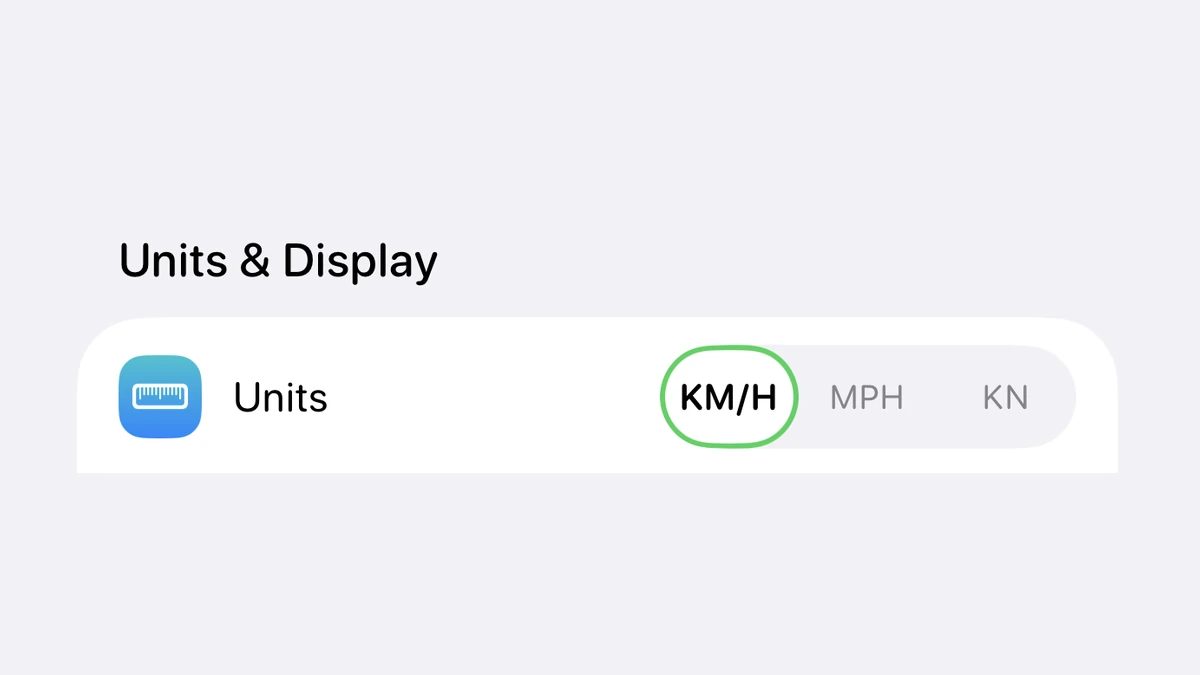
Use the live GPS speedometer for a GPS-based speed estimate while moving. It shows one selected unit at a time: switch between mph, km/h and knots. Location permission and usable location data are required.

MPH to KPH Chart
Common speeds from 5 to 300 mph, converted both directions. Read left-to-right for mph → km/h, or use the right pair for km/h → mph.
| mph | → km/h | km/h | → mph |
|---|---|---|---|
| 5 mph | 8 km/h | 5 km/h | 3.1 mph |
| 10 mph | 16.1 km/h | 10 km/h | 6.2 mph |
| 15 mph | 24.1 km/h | 15 km/h | 9.3 mph |
| 20 mph | 32.2 km/h | 20 km/h | 12.4 mph |
| 25 mph | 40.2 km/h | 25 km/h | 15.5 mph |
| 30 mph | 48.3 km/h | 30 km/h | 18.6 mph |
| 40 mph | 64.4 km/h | 40 km/h | 24.9 mph |
| 50 mph | 80.5 km/h | 50 km/h | 31.1 mph |
| 60 mph | 96.6 km/h | 60 km/h | 37.3 mph |
| 70 mph | 112.7 km/h | 70 km/h | 43.5 mph |
| 80 mph | 128.7 km/h | 80 km/h | 49.7 mph |
| 90 mph | 144.8 km/h | 90 km/h | 55.9 mph |
| 100 mph | 160.9 km/h | 100 km/h | 62.1 mph |
| 110 mph | 177 km/h | 110 km/h | 68.4 mph |
| 120 mph | 193.1 km/h | 120 km/h | 74.6 mph |
| 130 mph | 209.2 km/h | 130 km/h | 80.8 mph |
| 140 mph | 225.3 km/h | 140 km/h | 87 mph |
| 160 mph | 257.5 km/h | 160 km/h | 99.4 mph |
| 180 mph | 289.7 km/h | 180 km/h | 111.8 mph |
| 200 mph | 321.9 km/h | 200 km/h | 124.3 mph |
| 220 mph | 354.1 km/h | 220 km/h | 136.7 mph |
| 240 mph | 386.2 km/h | 240 km/h | 149.1 mph |
| 260 mph | 418.4 km/h | 260 km/h | 161.6 mph |
| 280 mph | 450.6 km/h | 280 km/h | 174 mph |
| 300 mph | 482.8 km/h | 300 km/h | 186.4 mph |
Table values are rounded to one decimal place. The calculation uses 1 mph = 1.609344 km/h exactly; 0.621371 is a rounded reciprocal.
How to convert miles per hour to kilometers per hour
To convert mph to kph, multiply the speed by 1.609344. This factor is exact: 1 mile = 1.609344 kilometres. Divide by the same factor to reverse the conversion. The reciprocal, approximately 0.621371, is rounded when written here; the calculator rounds only the displayed result.
The unit matters as much as the number. 60 mph ≈ 96.6 km/h, while 60 km/h ≈ 37.3 mph. These are different speeds despite the matching starting number. Check the input unit and conversion direction before comparing values from a chart, a device or a journey record.
Useful numerical reference points: 30 mph ≈ 48.3 km/h; 50 mph ≈ 80.5 km/h; 70 mph ≈ 112.7 km/h; 80 mph ≈ 128.7 km/h. Each result is rounded to one decimal place. Enter another value in the converter to see the same relationship at a different speed.
The spellings “kph”, “kmph” and “km/h” refer to kilometres per hour; km/h is the standard notation. A mph to kph chart changes the unit of a number, not the quality of its measurement. A dashboard and a GPS device can still disagree because calibration, reception and measurement methods differ.
When you need to convert while you're driving
A chart is ideal when you're planning ahead. The hard part is doing it in motion: you've collected a rental car abroad whose dashboard reads in km/h while every instinct you have is in mph — or you've taken a US-spec car onto a metric motorway. Multiplying by 1.6 at 70 mph is exactly the moment you shouldn't be looking away from the road.
The same friction appears with an imported car whose speedometer only shows its origin market's units, and on the water, where a boat's instruments often read in knots while the posted limit is in mph or km/h. In each case the fix isn't a lookup table — it's a display that already shows the unit you think in.
The free live GPS speedometer runs without an app installation and shows a GPS-based speed estimate in your selected unit. Its reading depends on location permission and usable position data. The MPH speedometer app offers a large readout and a basic windshield HUD. Enhanced HUD features and Picture-in-Picture require PRO; the display is not a guarantee of measurement accuracy or continuous availability.
Converting the other way? Use the KPH to MPH converter — same live calculator and chart, km/h → mph.
Working with nautical speeds? Use the knots to mph converter, which also shows km/h.
MPH to KPH — frequently asked
How do you convert mph to kph?
To convert mph to kph, multiply the speed by 1.609344. This factor is exact: 1 mile = 1.609344 kilometres. Divide by the same factor to reverse the conversion. The reciprocal, approximately 0.621371, is rounded when written here; the calculator rounds only the displayed result.
What is 60 mph in km/h?
60 mph × 1.609344 ≈ 96.6 km/h. Rounded to one decimal place. This is a unit conversion, not a road-limit recommendation.
What is 70 mph in kph?
70 mph × 1.609344 ≈ 112.7 km/h. Rounded to one decimal place. This is a unit conversion, not a road-limit recommendation.
Is kph the same as km/h?
Yes. "kph", "km/h", "kmh" and "kilometers per hour" all describe the same unit. The official written form is km/h; kph is common shorthand you'll see on dashboards and in search boxes.
Stop converting in your head
View a GPS speed estimate in your choice of mph, km/h or knots on your phone.

Free on the App Store. No sign-up.